The Eid Khaled and His Children Will Never Forget
In Khaled Mansour’s home, the approach of Eid al-Adha carried two conflicting feelings. The children waited for Eid with joy, while Khaled tried to work out how this day would pass for his family without them feeling the weight of the circumstances they were living. He is a father of three, working for an unsteady daily wage; what he earns in one week may not come again the next. So basic expenses alone were enough to make any extra occasion a burden that was hard to plan for.
As Eid drew closer, this worry grew clearer. Khaled wasn’t thinking of a large table or a special celebration, but of something far simpler: to be able to put food on his family’s table that would make his children feel Eid had reached their home as it had reached others’. But buying meat, within the family’s limited budget, was often beyond their means.
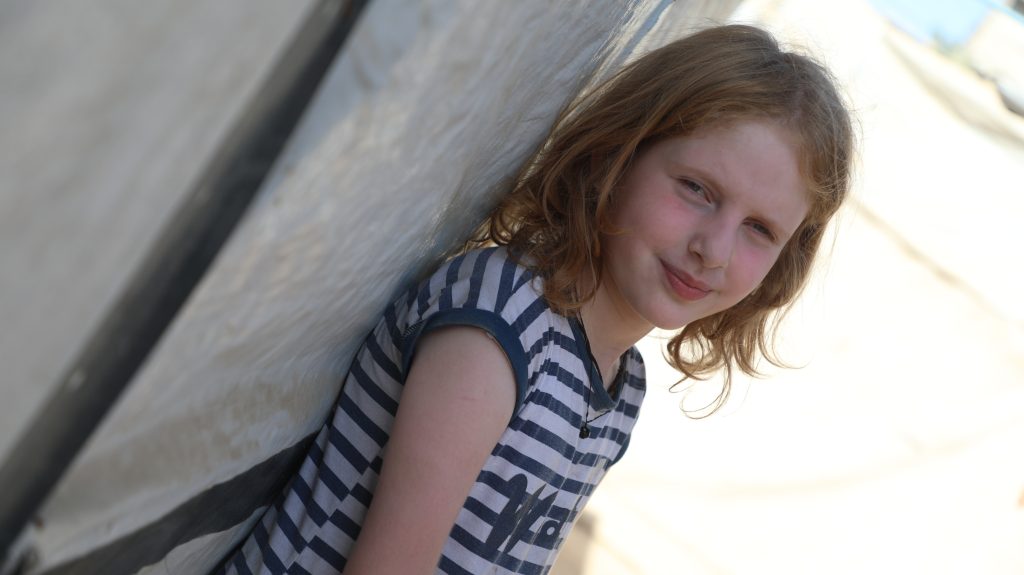
His young daughter added to this feeling without meaning to. She talked about Eid clothes and asked about the details of the awaited day, while Khaled tried to smile and hide what was on his mind. Children don’t see the calculations behind every decision, and they shouldn’t. But behind their simple joy was a father trying to keep circumstances from becoming the biggest headline of Eid.
Then came the day of distribution.
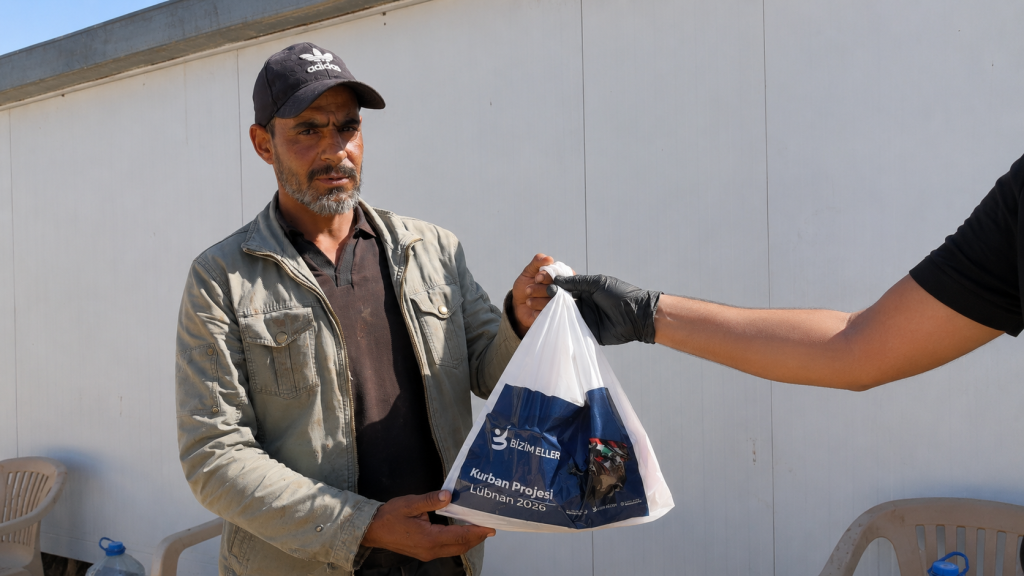
As part of the Eid Qurbani Distribution Project, shares of Qurbani meat reached families in need in the area, and Khaled’s family was among the beneficiaries. The share may seem simple from the outside, but inside this home it changed the shape of the whole day.
The family gathered around the Eid table, and the children lived the moment they had been waiting for. For Khaled, part of the pressure that had accompanied him as Eid approached eased, and he felt he had been able to give his children a day closer to what they had hoped for. The value of the help wasn’t only in the food, but in that it gave the family room for joy without the calculations of expenses and worry taking over.
Khaled says:
“This Eid was different for us. The help came when we needed it most, and I felt that someone was thinking of us and sharing our Eid joy.”
That sentence sums up what the help meant to the family; it didn’t only cover a food need, but gave Eid back part of its meaning inside the home.
For Khaled, the Qurbani share wasn’t just food placed on the table, but a small space in which the family could breathe away from its daily pressures. It was a moment when he felt his children could live Eid as they should, without joy being preceded by the calculations of expenses and the worry of tomorrow.
When a Qurbani reaches a home in need, it doesn’t arrive alone; with it comes a sense of solidarity, relief for a father or mother, and a joy the children had waited for all year.
Take part in the Qurbani project, and share the joy of Eid with a family in need.